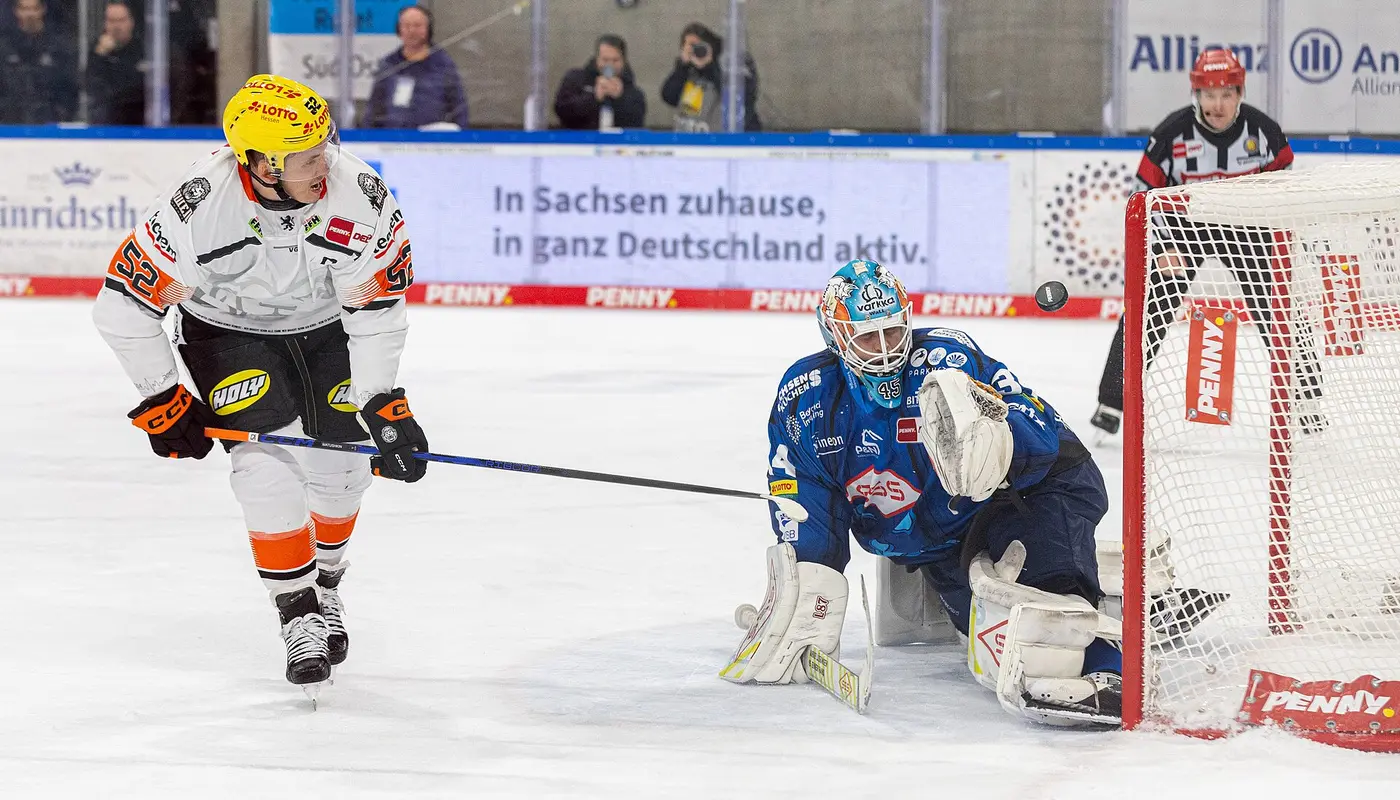
Goaltending is the highest-leverage position in hockey and the hardest to evaluate, for a purely statistical reason: the signal takes years to separate from the noise.
How long stabilisation takes
Even-strength save percentage needs a very large number of shots before a goaltender’s true talent dominates the observed number. In practice that is more than a full season of starts, and by some estimates considerably more.
A goaltender can post an elite number over thirty starts through variance alone. A good goaltender can post a poor number over the same span for the same reason.
What teams do anyway
Contracts get signed on partial seasons. Starters get pulled after bad months. The pattern is predictable: a strong contract year, a long-term deal, and regression to something near the career average — which was always the better estimate.
What helps
Career averages weighted toward recent seasons beat single-season numbers almost always. Goals saved above expected converges faster than raw save percentage because it strips out some variance in shot difficulty. Workload context — a goaltender facing a high rate of high-danger chances is being judged on a harder job.
The practical read
When a goaltender has an unusually good or bad season, the base case is that next season lands closer to his career norm. That is not a bold prediction; it is what the distribution says.
Reported at ESPN and TSN; analysis ours.
Newsletter
Every shift that matters, from puck drop on
Get The Crease in your inbox. No spam, and one click to leave.
Game days and Mondays · Unsubscribe any time. We never sell or rent your address; read the privacy policy.